

What Makes a Smartphone Truly Worth Buying?
A smartphone is worth buying when it delivers reliable performance, useful features, and lasting value for the price. The best choice is not always the most expensive model. Real value comes from how well the phone handles daily tasks, how long the battery lasts, how clear the display looks, and how dependable the software remains over time. Buyers should also consider camera quality, storage, charging speed, and build durability, because these details shape the ownership experience more than flashy marketing claims. A good smartphone should feel fast, stay dependable after months of use, and match the user’s routine without compromise. When these essentials come together, the device becomes more than a gadget. It becomes a practical tool that supports work, communication, entertainment, and everyday convenience.
Key Features That Determine a Smartphone’s Real Value
Performance, Processor, and Smooth User Experience
Performance is one of the clearest signs of whether a smartphone is worth buying. A capable processor helps apps open quickly, videos play smoothly, and multitasking feel effortless. Enough RAM is equally important because it keeps switching between apps fast and reduces lag during daily use. A phone with balanced hardware should handle messaging, browsing, streaming, navigation, and light gaming without slowdowns. Software optimization also matters, since a well-tuned system often feels better than stronger specifications on paper. Buyers should look for a device that remains responsive under normal workloads rather than chasing numbers alone. When performance stays consistent across everyday tasks, the phone feels dependable, efficient, and easier to enjoy for longer.
Display Quality, Camera Ability, and Design Factors
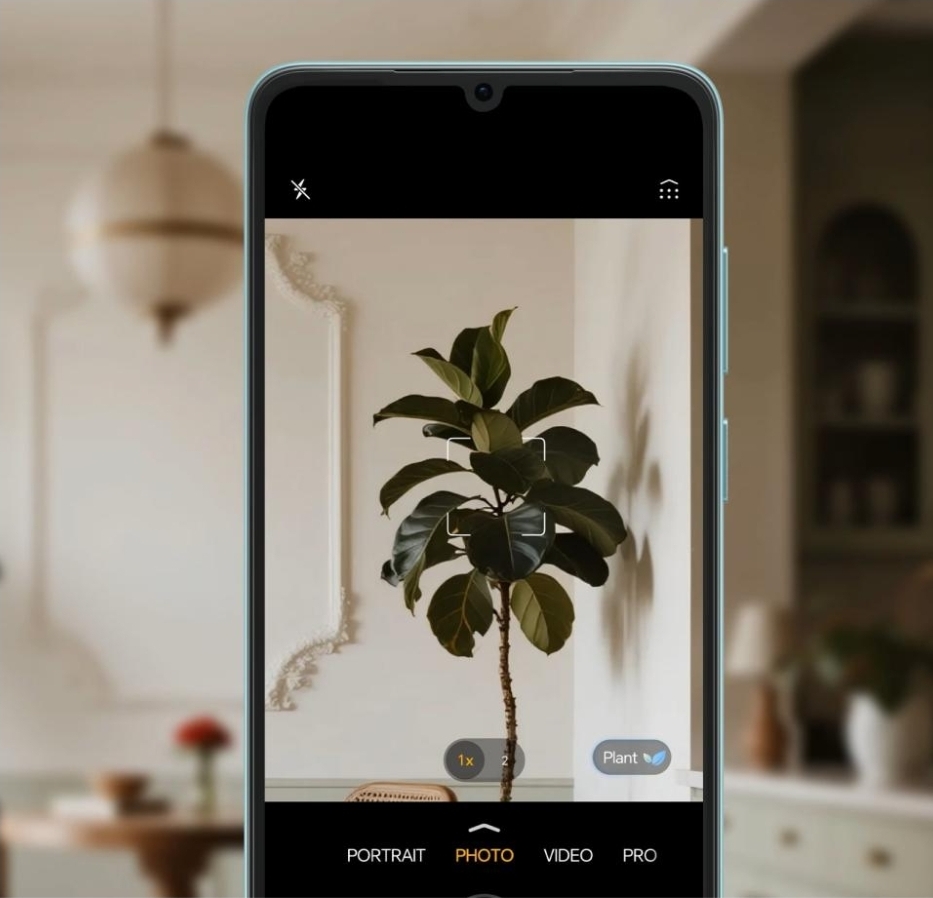
Display quality strongly affects everyday satisfaction because users spend hours reading, watching, and scrolling on their phones. A sharp screen with good brightness and accurate color makes content easier to enjoy indoors and outside. Camera ability also adds real value, especially for people who rely on their phone for photos, video clips, and social sharing. Strong image processing, dependable focus, and good low-light performance often matter more than headline megapixel counts. Design factors deserve attention too. A comfortable shape, sensible button placement, and durable materials improve daily handling. Thin bezels and a clean finish can enhance the experience, but practical design matters most. A smartphone should look good while also feeling secure and comfortable.
Battery Life and Long-Term Reliability Matter Most
How Battery Capacity and Charging Features Affect Value
Battery life often decides whether a smartphone feels dependable or frustrating. A larger battery usually provides more screen time, but efficiency from the processor and software also plays a major role. A valuable phone should comfortably support a full day of calls, messaging, browsing, and media use without constant charging anxiety. Fast charging adds convenience because it reduces downtime and helps users get back to work or entertainment quickly. Smart power management features can stretch usage further by limiting background drain. When a phone combines solid battery capacity with practical charging support, it offers daily reliability. That reliability becomes one of the strongest reasons a smartphone earns its price.
Software Support, Storage, and Device Durability
Long-term value depends on how well a smartphone holds up after the first few months. Regular software updates improve security, fix bugs, and help the device stay compatible with new apps and services. Adequate storage is just as important because photos, videos, downloads, and app data grow quickly over time. A phone that runs out of space too soon becomes inconvenient, no matter how good it felt at purchase. Durability also protects value. Strong construction, a dependable frame, and resistance to daily wear reduce the need for early replacement. When software support, storage capacity, and physical reliability are all solid, the phone remains useful much longer.
Practical Buying Considerations for Choosing the Right Smartphone
Matching Smartphone Features With Your Personal Needs
The right smartphone is the one that fits how you actually use it each day. A student may need long battery life, enough storage for files, and dependable performance for study apps and video calls. A frequent traveler may prioritize network support, bright display visibility, and strong standby time. Someone focused on entertainment may value a large screen, smooth graphics, and clear audio. Buyers should rank the features they use most and choose a phone that performs well in those areas first. This practical approach avoids overspending on features that add little benefit. A worthwhile smartphone supports your habits, solves everyday needs efficiently, and delivers consistent usefulness long after the purchase.
Example of a Balanced Smartphone Choice: HONOR X6d 5G
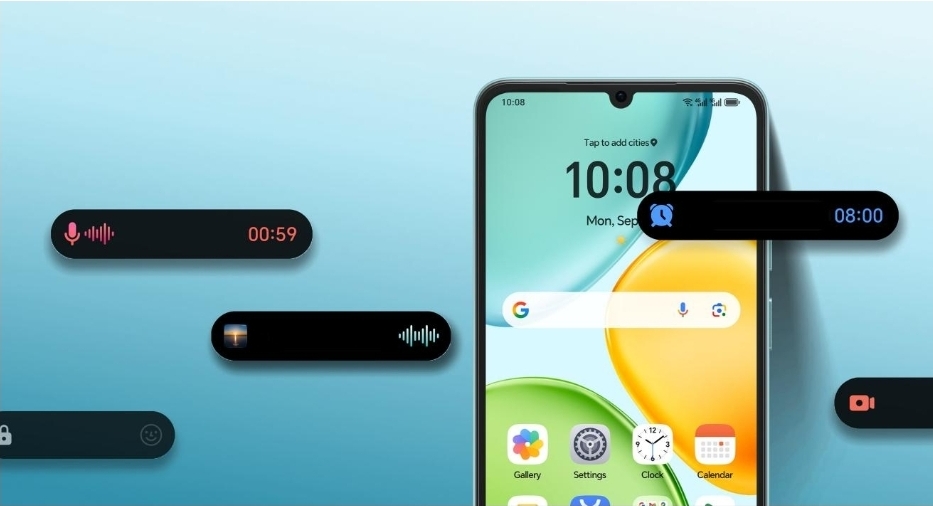
A balanced example is the HONOR X6d 5G, a smartphone that focuses on practical everyday value. Its 5G connectivity supports faster network access, while the large battery is designed for reliable daily use. The device also offers a display size suited to browsing, streaming, and reading comfortably, making it useful for work and entertainment. With storage and memory configured for common tasks, it aims to keep messaging, app switching, and media use smooth for typical users. Its camera system supports casual photography needs, and the overall design emphasizes usability rather than excess. For buyers seeking affordability with essential modern features, the HONOR X6d 5G represents a sensible, well-rounded choice.
Conclusion
A smartphone is truly worth buying when it performs well, lasts through the day, stays reliable over time, and fits the user’s real needs. Smooth performance, a good display, capable cameras, strong battery life, useful storage, and dependable software support all contribute to long-term value. Good design and durability also matter because they affect daily comfort and ownership costs. Instead of focusing only on price or marketing highlights, buyers should judge how well the device handles everyday life. That approach leads to smarter decisions and better satisfaction. A worthwhile smartphone is not simply impressive at first glance. It remains useful, efficient, and dependable every day.


Leave Your Comments